
Māori Capabilities
Over the past year, Māori Capabilities work within Housing has focused on strengthening cultural confidence, values-based practice, and the everyday application of tikanga across the service.
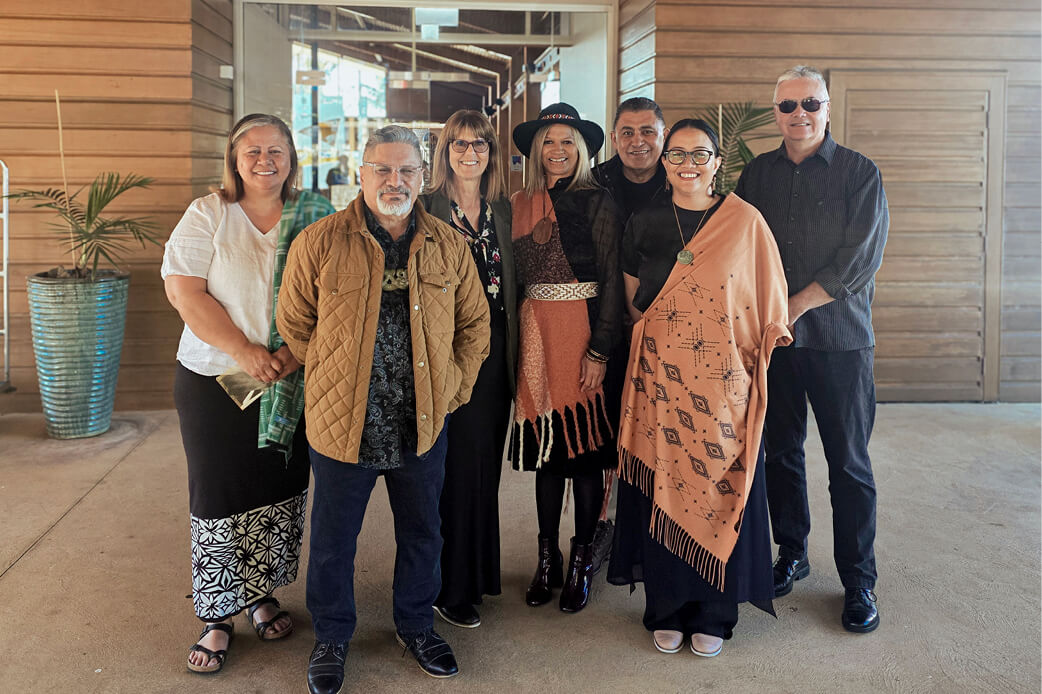
Visionwest’s leadership delegation who attended the Te Matapihi Māori Housing Conference
A key development has been the introduction of Te Reo Māori classes, giving kaimahi an opportunity to grow their understanding of language, culture, and identity in a practical and supportive way. Alongside this, selected teams participated in a pilot exploring values-based practice, helping connect Visionwest’s kaupapa and values more clearly with day-to-day work alongside whānau.
Growth has been evident through increased kaimahi engagement in cultural learning and a growing confidence in applying tikanga in appropriate and respectful ways. This has included greater use of blessings and cultural support practices, helping create spaces where whānau and communities experience dignity, care, and respect. The introduction of a Pasefika Capabilities role has also strengthened the wider commitment to culturally responsive practice and broadened the support available across Visionwest.
One of the greatest challenges has been building kaimahi confidence to respond well in culturally significant situations, particularly around bereavement, where tikanga, compassion, and relational care are especially important. Even so, one of the most rewarding outcomes has been seeing kaimahi grow in confidence and capability, becoming more comfortable in culturally responsive practice and more aware of how this work supports mana-enhancing relationships.
Community insights this year have reinforced the importance of relationship-based services that uphold dignity and respect. For us, culturally responsive practice isn’t an added extra; it’s central to whānau feeling seen, valued, and supported. Through cultural learning, tikanga-led support, and strengthened internal capability, Housing has continued to build deeper connections with whānau and communities while helping embed Māori capability more fully into everyday service practice.